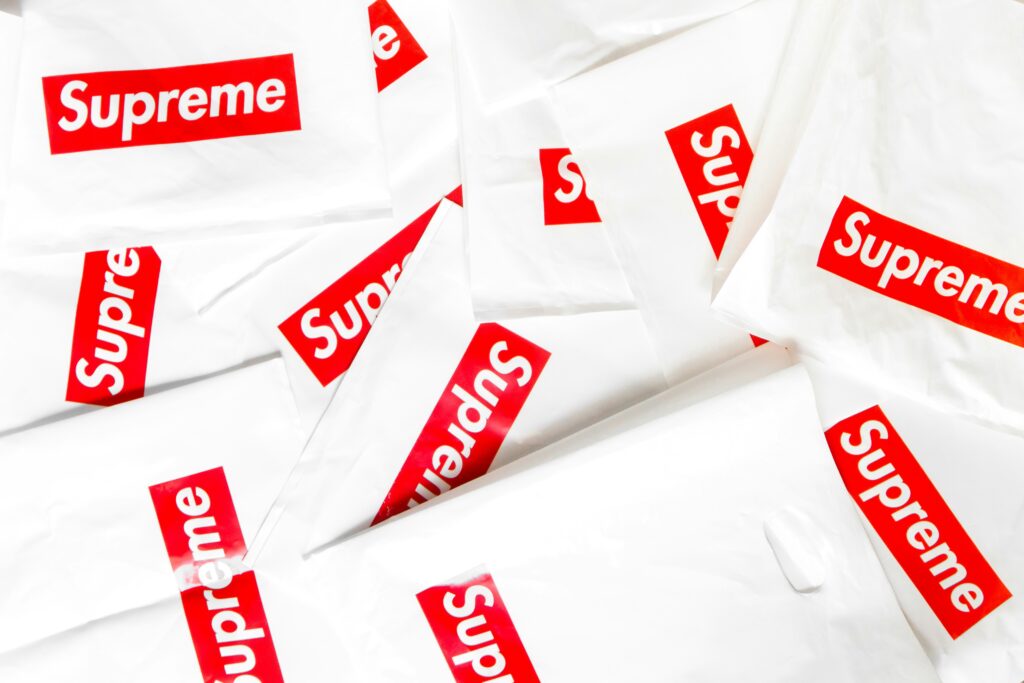
Creating a visual brand identity from scratch is a process that helps a business define its look, feel, and how it wants to be perceived. A strong brand identity differentiates a business, builds trust, and makes a memorable impression. The process of creating this identity involves research, planning, and consistent decision-making to create a cohesive look that aligns with the brand’s values. By following each step, you can develop a visual brand identity that resonates with your audience and builds recognition over time.
The first step in building a brand identity is understanding what the brand represents. Start by defining the brand’s mission, values, and target audience. A brand that knows what it stands for can communicate more clearly to its audience. Ask questions about the core goals and the personality of the brand. Consider whether the tone should be professional, casual, innovative, or friendly. This foundation will guide design choices that reflect the brand’s purpose and ensure it connects with the right people. Knowing the audience well also makes it easier to choose elements that appeal to their preferences, which helps establish a bond with potential customers.
With a clear understanding of the brand’s purpose, begin researching other brands and design styles in the industry. This research isn’t about copying competitors but about understanding trends, identifying effective styles, and noting what doesn’t work. Look at other companies that target a similar audience and evaluate their color schemes, logos, typography, and overall layout. This process of gathering visual inspiration allows you to see what’s effective, what’s overused, and where there might be opportunities to stand out. Collect examples that appeal to you in a mood board, either online or offline, to serve as a source of visual inspiration throughout the design process.
Choosing a color palette is one of the most significant steps in creating a visual brand identity. Colors evoke emotions and convey meanings, making them essential in setting the tone for your brand. Limit the palette to two or three main colors to keep the look cohesive and recognizable. Consider color psychology and how different colors align with the brand’s personality. For example, blue often conveys trust and stability, while red suggests energy and passion. Experiment with different shades, but ensure that the colors chosen are versatile enough to look good on both digital and printed materials. A consistent color scheme helps create brand recognition and makes designs more memorable.
Typography is another important part of brand identity. Fonts communicate personality and contribute to readability. Select one primary font for headlines and another for body text, choosing styles that complement each other. If the brand’s tone is formal, a classic serif font might be suitable; for a modern brand, a clean sans-serif font works well. Keep the font choices simple and avoid too many variations to maintain a cohesive look. Good typography gives a brand a professional feel and makes content more accessible, whether it’s used in marketing materials, a website, or social media posts.
With colors and typography chosen, start designing the logo. A logo serves as the face of the brand and is one of the first things people recognize. Aim for simplicity, as a simple logo is easier to remember and works across different sizes and platforms. The logo should be versatile enough to look good on business cards, websites, product packaging, and social media. Many brands benefit from a logo that can work in various formats, such as an icon version for smaller spaces. Keep experimenting with shapes, colors, and typography until the design feels aligned with the brand’s identity. The goal is a clean, memorable logo that captures the essence of the brand.
Once the logo is complete, create visual guidelines to ensure consistency across all materials. These guidelines outline how to use the logo, color palette, and typography in different contexts. A brand style guide specifies where and how each visual element should appear, from business cards to online ads. It can include specific rules about logo placement, acceptable background colors, and font sizes. Consistent usage of these elements builds recognition and helps customers identify the brand across various platforms. A well-crafted style guide is an essential tool for maintaining a cohesive brand identity over time.
After setting up the visual guidelines, start applying the brand elements to different marketing materials. Begin with essential items like business cards, website graphics, and social media templates. The consistent use of colors, fonts, and logos reinforces brand recognition and creates a professional look across platforms. When creating social media templates, include logo placement, font choices, and color schemes to keep posts visually aligned with the brand. As you create more materials, evaluate each one to make sure it reflects the brand’s tone and values. Consistency across materials builds a strong and recognizable brand presence.
Before finalizing the brand identity, gather feedback. Ask for opinions from team members, customers, or even focus groups to see if the visuals resonate with others. Feedback can reveal how well the brand identity communicates the intended message and whether it appeals to the target audience. Look for common themes in the feedback, especially if people comment on certain colors, fonts, or the overall impression. Making adjustments based on feedback helps ensure that the brand identity aligns with audience expectations and strengthens the brand’s appeal.
Finalizing the brand identity requires reviewing every element for consistency and coherence. Check that the colors, fonts, and logos all work together harmoniously and communicate the brand’s message clearly. Make sure that the guidelines are easy to follow and provide enough detail to ensure consistent use across all platforms. Once everything is confirmed, the visual brand identity is ready to be implemented. Update any existing materials to reflect the new identity, and ensure that all future content follows the guidelines.
Creating a visual brand identity from scratch involves careful planning and attention to detail. By following a step-by-step process, you can develop a brand that stands out, resonates with your audience, and builds recognition. A strong visual identity lays the groundwork for building trust and loyalty, establishing a cohesive and memorable presence that can grow with the brand.